

Description
Musculoskeletal disorders (MSDs), often called sprains, strains or repetitive strain injuries, are the most common lost-time injury in Ontario, making up about one-third of all allowed lost-time claims each year. MSDs affect the muscles, tendons, nerves, joints and back, and can be serious and disabling. They are also largely preventable.
This course helps workers, supervisors and managers recognize MSD hazards in their own job tasks, report early symptoms, and put practical controls in place. It is based on the MSD Prevention Guideline for Ontario and the employer’s general duty under the Occupational Health and Safety Act to take every precaution reasonable in the circumstances.
The following list covers the course modules:
- What MSDs are, and common types such as back injuries, tendonitis and carpal tunnel syndrome
- The key MSD hazards: force, fixed or awkward postures, and repetition
- Other contributing factors: vibration, contact stress, cold temperatures and work pace
- Identifying MSD hazards in your own job tasks
- Recognizing early signs and symptoms
- How and why to report symptoms early
- Safe lifting, carrying, pushing and pulling
- Practical prevention: store it off the floor, keep it close, hands below head, look straight ahead, get a good grip, and change it up
- Choosing controls: job design, tools, equipment and work practices
- Employer, supervisor and worker responsibilities
- The MSD Prevention Guideline for Ontario
Course length: 2 hours | Class size: up to 12 students. Minimum class size required.
Related products
-
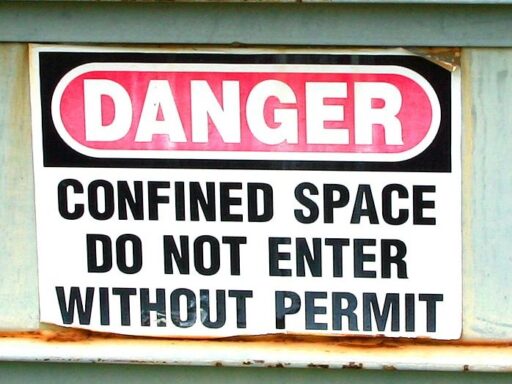
Confined Space Awareness
Confined Space Awareness
Confined space hazards, O. Reg. 632/05, atmospheric testing, entry permits and rescue planning
-

Violence & Harassment for Management
Violence & Harassment for Management
Legal requirements, risk assessments, complaint handling and investigations for managers and supervisors
-
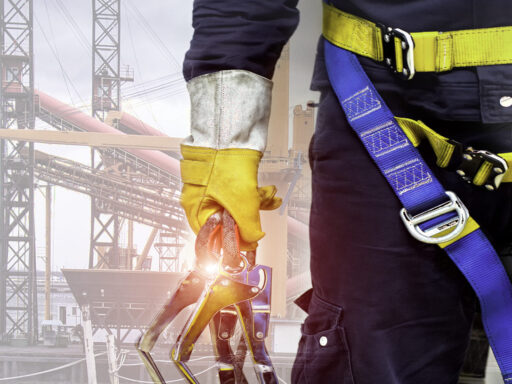
Working at Heights
Working at Heights
CPO-approved Working at Heights: fall protection legislation, equipment, ladders, scaffolds, guardrails, rescue planning and hands-on practical
-
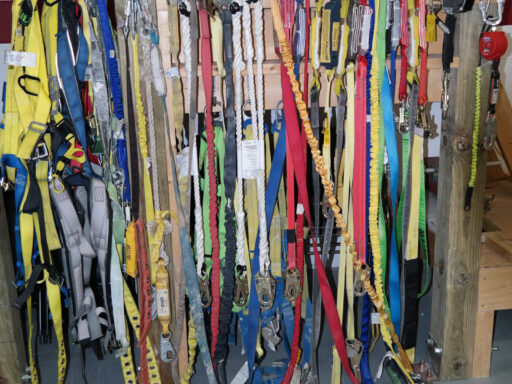
Working at Heights Refresher
Working at Heights Refresher
Three-year renewal of your Working at Heights training: fall protection review, hands-on equipment practice and rescue planning