

Advanced arc flash and shock hazard analysis and mitigation for workers on energized systems (CSA Z462:24)
Description
This advanced course is for qualified workers who perform electrical work on or near energized systems. It provides guidance on industry best practices for preventing injury from arc flash and shock, and covers the analysis and mitigation of arc flash hazards in depth. A principled approach covers both the theory and the practical application of arc flash and shock analysis, based on CSA Z462:24, Workplace electrical safety. The course can be adapted to include incident energy calculations.
Hierarchy of risk controls
- Elimination: establishing an electrically safe work condition through lockout and verification of zero energy
- Substitution: reducing voltage or available energy where possible
- Engineering controls: arc-resistant switchgear, remote racking and remote operation, and permanently mounted voltage indicators
- Awareness: arc flash labels, signs and barricades
- Administrative controls: shock and arc flash risk assessments, approach boundaries and energized electrical work permits
- PPE: arc-rated clothing, arc-rated balaclavas and face shields, and rated rubber insulating gloves
Arc flash and shock analysis
- Shock risk assessment: limited and restricted approach boundaries
- Arc flash risk assessment: incident energy (cal/cm²) and the arc flash boundary
- Incident energy analysis and the arc flash PPE selection table method
- Selecting PPE by minimum arc rating
- Arc blast hazards: pressure waves, flying debris and sound levels
- Why arc-rated and flame-resistant layers matter, and the dangers of synthetic fabrics
- Reading and applying arc flash labels
Lockout and zero energy verification
- Identifying all primary and secondary energy sources
- Isolating and disconnecting the supply
- Applying locks and tags
- Verifying the absence of voltage with properly rated and tested meters
Tools, testing and maintenance
- CAT III and CAT IV rated test instruments, non-contact voltage detectors and calibration
- 1,000 V rated insulated hand tools
- Insulating barriers, matting and signage
- How equipment maintenance affects arc flash risk: thermal imaging, insulation resistance testing and circuit breaker checks
- CSA Z463, Maintenance of electrical systems, and NFPA 70B
Emergency response
- Responding to electrical incidents and contact with energized equipment
- Class C fire extinguishers for electrical fires
- AEDs and first aid for electrical injuries
Delivery: In person, or by distance learning online with a live instructor.
Course length: Full day | Class size: up to 12 students. Minimum class size required.
Related products
-
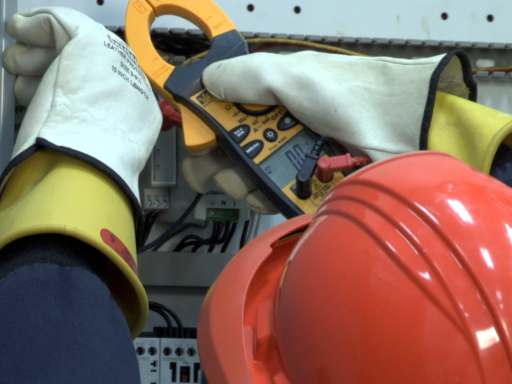
Workplace Electrical Safety – Arc Flash & Shock Protection
Workplace Electrical Safety – Arc Flash & Shock Protection
Advanced arc flash and shock hazard analysis and mitigation for workers on energized systems (CSA Z462:24)
-

SHSM LockOut & TagOut
SHSM LockOut & TagOut
Individual and group lockout and tagout based on CSA Z460:20, with hands-on practical exercises
-
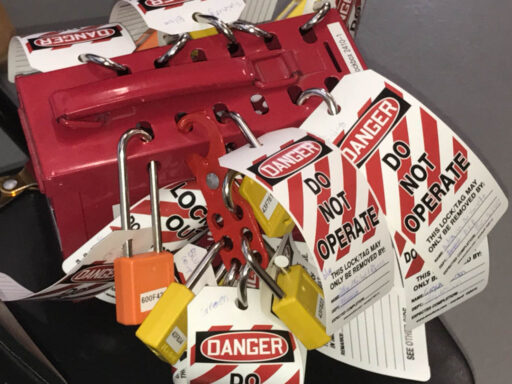
LockOut & TagOut
LockOut & TagOut
Individual and group lockout and tagout based on CSA Z460:20, with hands-on practical exercises